
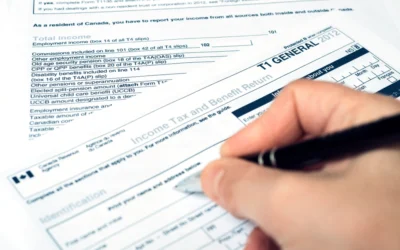
What can you do if you disagree with a CRA assessment? A tax assessment from the Canada Revenue Agency (CRA) can sometimes result in unexpected tax liabilities, leaving taxpayers with questions about its accuracy. When an individual or business disagrees with their tax assessment, it is crucial to understand the dispute process and how to challenge the CRA’s decision effectively. Disputing a CRA tax assessment involves reviewing the Notice of Assessment (NOA) or Notice of Reassessment, gathering supporting documents, and following a structured objection process. Many taxpayers also seek professional support, such as taxation services in Calgary, to ensure their filings, records, and objections are handled correctly and in compliance with CRA requirements. Common reasons for disputes include miscalculated income, unrecognized deductions, denied business expenses, or discrepancies resulting from a CRA audit. The CRA allows taxpayers to challenge assessments through formal objections, and in some cases, appeals to the Tax Court of Canada. The process requires careful documentation, timely submission, and often, professional assistance from a CPA or tax lawyer. This guide provides a step-by-step approach to disputing a CRA tax assessment, covering key procedures, deadlines, and legal options available to Canadian taxpayers. Whether dealing with a simple miscalculation or a complex audit dispute, understanding taxpayer rights and CRA policies can improve the chances of a successful resolution. Have a question about your own situation? Talk to a CPA. See our packages See what each plan includes and sign up online in a few minutes. What is a CRA tax assessment? A tax assessment is the CRA’s official calculation of a taxpayer’s income, deductions, and tax liability based on the information provided in their return. Once a return is processed, the CRA issues a Notice of Assessment (NOA), outlining whether a taxpayer owes additional taxes, is entitled to a refund, or has a zero balance. In some cases, the CRA may later review a return and issue a Notice of Reassessment which adjusts the original tax assessment. A reassessment can occur due to missing income, denied deductions, audit findings, or new information submitted to the CRA. Taxpayers must carefully review their NOA or reassessment to ensure accuracy. Errors in reporting income, misinterpretation of tax laws, or incorrect application of credits can result in disputes. If a taxpayer disagrees with the assessment, they have the right to challenge it by filing a Notice of Objection Understanding the assessment process helps taxpayers recognize potential discrepancies early and take appropriate action. Since reassessments may lead to higher tax liabilities, interest, and penalties, disputing them promptly is crucial to avoiding unnecessary financial burdens. Why do taxpayers dispute a tax assessment? Taxpayers may disagree with a CRA assessment for several reasons, ranging from calculation errors to misinterpretation of tax laws. Identifying the cause of the dispute is the first step in building a strong objection. 1 ERRORS IN REPORTED INCOME, DEDUCTIONS, OR TAX CREDITS Mistakes in reported income, missing tax slips, or incorrectly applied deductions can lead to an inaccurate tax bill. If an employer, financial institution, or taxpayer made an error in reporting, the CRA’s assessment may not reflect the correct taxable income. 2 CRA MISINTERPRETATION OF TAX LAWS In some cases, the CRA may disallow deductions or tax credits due to differing interpretations of tax laws. This is common with business expenses, employment-related deductions, and investment income claims. 3 FAILURE TO RECOGNIZE BUSINESS EXPENSES OR INPUT TAX CREDITS (ITCS) Self-employed individuals and businesses often face reassessments due to the CRA questioning eligible expenses. The CRA may deny deductions for advertising, home office use, or travel if proper documentation is missing. Similarly, GST/HST input tax credits may be rejected due to insufficient records. 4 ISSUES ARISING FROM A CRA AUDIT A CRA audit can lead to additional taxes owed if the agency determines that income was underreported or expenses were overstated. If a taxpayer disagrees with the audit results, they can dispute the findings through the CRA’s objection process. Recognizing these common issues helps taxpayers prepare a well-supported objection to challenge the CRA’s assessment effectively. STEP 1: REVIEW YOUR CRA NOTICE OF ASSESSMENT The first step in disputing a CRA tax assessment is carefully reviewing the Notice of Assessment (NOA) or Notice of Reassessment to identify discrepancies. Understanding the CRA’s calculations and reasons for any adjustments is essential before filing an objection. 1 HOW TO ACCESS YOUR NOTICE OF ASSESSMENT Taxpayers can retrieve their NOA through: CRA My Account (for individuals) or CRA My Business Account(for businesses) A mailed copy of the NOA sent after filing a return Contacting the CRA directly if the NOA is unavailable online 2 UNDERSTANDING THE DETAILS OF YOUR ASSESSMENT The NOA provides a breakdown of: Reported income, deductions, and tax credits The CRA’s adjustments and justifications Outstanding balances, interest charges, or refunds 3 IDENTIFYING DISCREPANCIES IN YOUR TAX FILING Taxpayers should compare their NOA with their filed return to check for: Incorrect income amounts or unrecognized deductions Denied tax credits or business expenses Adjustments made without explanation Reviewing the NOA thoroughly helps taxpayers determine whether an objection is necessary and what supporting documentation may be required. STEP 2: GATHER SUPPORTING DOCUMENTATION Once discrepancies in the CRA tax assessment have been identified, the next step is to gather relevant documentation to support the objection. Proper records strengthen the case and increase the chances of a successful resolution. 1 IMPORTANCE OF FINANCIAL RECORDS AND RECEIPTS The CRA requires factual evidence to reconsider a tax assessment. Key documents include: T4, T5, and other income slips to verify reported earnings Business expense receipts for deductions claimed Bank statements and invoices supporting income and expenses Medical, tuition, and charitable donation receipts for tax credits 2 ORGANIZING DOCUMENTS FOR A STRONG OBJECTION A well-organized submission improves the likelihood of CRA reconsideration. Taxpayers should: Match receipts and documents to disputed amounts in the Notice of Assessment Clearly explain how the CRA’s calculations were incorrect Maintain copies of all submitted materials for record-keeping 3 HOW A CPA CAN HELP STRENGTHEN YOUR CASE Working with a

What to Know About CRA Filing Extensions
The CRA does not give automatic filing extensions. Individuals file by April 30, self-employed people file by June 15 but pay any balance by April 30 (CRA important dates), and corporations file their T2 return within six months of year end (CRA, when to file a T2). If events beyond your control stop you from filing on time, file as soon as you can and ask the CRA to cancel or waive the penalty and interest under taxpayer relief (CRA taxpayer relief). Relief is not automatic. Have a question about your own situation? Talk to a CPA. See our packages See what each plan includes and sign up online in a few minutes. What happens if you miss a CRA filing deadline? Filing taxes on time is a crucial responsibility for Canadian individuals and businesses to remain compliant with the Canada Revenue Agency (CRA). Missing tax deadlines can result in penalties, interest charges, and delayed refunds, making it essential to understand available options for CRA filing extensions CRA filing extension allows taxpayers extra time to submit their tax returns without facing immediate penalties. While the CRA does not officially grant extensions in the same way as the IRS in the United States, there are situations where taxpayers may request additional time to file, particularly in cases of financial hardship, personal emergencies, or technical difficulties Extensions may differ based on the type of taxpayer, with businesses, self-employed individuals, and corporations following separate rules. Additionally, while filing extensions are limited, payment extensions and relief programs may help taxpayers manage outstanding balances. Many businesses also rely on small business accounting in Calgary to ensure deadlines are met and filings are completed on time. This guide explores CRA tax filing deadlines, available extensions, late filing penalties, and strategies to avoid missing deadlines. Understanding these details can help taxpayers stay compliant, reduce financial stress, and take advantage of available CRA programs. Standard CRA tax filing deadlines The Canada Revenue Agency (CRA) enforces strict tax filing deadlines for individuals, businesses, and corporations. Missing these deadlines can result in late filing penalties and interest charges on unpaid taxes. PERSONAL INCOME TAX DEADLINES The standard tax filing deadline for individuals is April 30 of each year. Self-employed individuals have until June 15, but any taxes owed must be paid by April 30 to avoid interest charges. CORPORATE TAX RETURN DEADLINES Corporations must file their T2 corporate tax return within six months after the end of their fiscal year. Any corporate taxes owed must be paid within two months after the fiscal year-end, or three months for Canadian-controlled private corporations (CCPCs) GST/HST FILING DEADLINES Monthly and quarterly filers must submit GST/HST returns one month after the reporting period ends Annual filers who are sole proprietors with business income and a December 31 fiscal year end must file by June 15, with payment due by April 30. Other annual filers must file and pay within three months of their fiscal year end (source: CRA GST/HST filing deadlines). Staying aware of these deadlines ensures taxpayers avoid penalties and interest, keeping their CRA accounts in good standing. Does the CRA allow filing extensions? Unlike the Internal Revenue Service (IRS) in the U.S., the Canada Revenue Agency (CRA) does not offer automatic filing extensions for tax returns. However, in certain circumstances, taxpayers may be able to request additional time to file without facing penalties. CRA’S OFFICIAL STANCE ON TAX EXTENSIONS The CRA expects individuals, businesses, and corporations to file by the standard deadlines. There is no formal extension request process, but some taxpayers may qualify for relief under special circumstances. WHEN CAN A TAXPAYER REQUEST MORE TIME? The CRA may grant flexibility in cases involving: Serious illness, natural disasters, or personal emergencies Technical issues with CRA’s online services are preventing e-filing. CRA processing delays that impact a taxpayer’s ability to file on time. WHAT HAPPENS IF AN EXTENSION IS GRANTED? The CRA may waive late filing penalties but will still charge interest on unpaid taxes. Taxpayers may need to provide supporting documentation for their request. Although CRA extensions are rare, taxpayers facing difficulties should proactively contact the CRA to explore options for penalty relief. How to request a CRA tax filing extension While the Canada Revenue Agency (CRA) does not have a formal process for filing extensions, taxpayers facing exceptional circumstances may request additional time to file. The CRA evaluates these requests on a case-by-case basis. WHEN CAN AN EXTENSION BE CONSIDERED? The CRA may allow extra time to file if a taxpayer is affected by: Serious illness or hospitalization Natural disasters or unforeseen emergencies Technical issues preventing e-filing Delays caused by CRA processing errors STEPS TO REQUEST A FILING EXTENSION Contact the CRA as soon as possible via phone or the CRA’s My Account online portal. Explain the reason for the delay and provide relevant details. Request a late filing penalty waiver under the Taxpayer Relief Program if applicable. Submit supporting documents (e.g., medical records, technical error confirmations). ALTERNATIVE OPTIONS If filing late, taxpayers should submit their return as soon as possible to reduce penalties. Businesses struggling to pay taxes on time may apply for a payment arrangement instead of delaying the return. Proactively communicating with the CRA increases the chances of avoiding penalties for late tax filings. Penalties and interest for late tax filings Failing to file taxes on time can lead to significant penalties and interest charges imposed by the Canada Revenue Agency (CRA). Understanding these consequences can help taxpayers take action to avoid unnecessary financial burdens LATE FILING PENALTIES FOR INDIVIDUALS AND BUSINESSES Individuals who miss the April 30 deadline face a 5% penalty on the balance owing, plus an additional 1% per month for up to 12 months If late filing occurs repeatedly (within three years), the penalty doubles to 10%, with an extra 2% per month for up to 20 months Corporations that fail to file their T2 return on time may be charged a basic penalty of 5% of unpaid taxes, plus 1% per month

Top CRA-Approved Tax Software for Canadian Businesses
Why use CRA-approved tax software? Tax compliance is a critical responsibility for Canadian businesses, requiring accurate reporting and timely submissions to the Canada Revenue Agency (CRA). Managing corporate taxes, payroll deductions, and GST/HST filings can be complex, making tax software an essential tool for businesses of all sizes. CRA-approved tax software simplifies tax filing by automating calculations, ensuring compliance with government regulations, and reducing the risk of errors. Businesses can use these platforms to file returns electronically, track deductions, and generate audit-ready reports. With cloud-based and desktop options available, tax software solutions cater to different business needs, from small startups to large corporations. While software improves efficiency, many businesses still prefer expert guidance to avoid costly mistakes. This is where expert help from a CPA firm like 786 Venture CPA becomes valuable, especially when handling complex filings or multi-structure business taxation. Choosing the right tax software is key to improving efficiency and minimizing tax-related risks. Features such as integration with CRA systems, real-time tax updates, and secure data storage help businesses stay compliant while streamlining their accounting processes. By leveraging CRA-certified tax software, companies can save time, avoid penalties, and ensure accuracy in their tax obligations. This guide explores the top CRA-approved tax software options for Canadian businesses, highlighting their features and benefits, with links to each vendor’s own pricing page, to help business owners make informed decisions. Have a question about your own situation? Talk to a CPA. See our packages See what each plan includes and sign up online in a few minutes. What is CRA-approved tax software? CRA-approved tax software refers to digital platforms that meet the Canada Revenue Agency’s strict requirements for tax filing, ensuring accuracy, security, and compliance. These software solutions integrate seamlessly with CRA systems such as Netfile and Efile, allowing businesses to submit their tax returns electronically. The CRA evaluates tax software based on factors like data encryption, error detection, and tax law compliance. Only software that meets these standards receives official approval, ensuring businesses can file taxes efficiently and reduce the risk of audits or penalties. Using CRA-certified tax software offers several benefits, including automatic tax updates, real-time compliance checks, and seamless integration with accounting systems. Businesses can also track GST/HST payments, payroll deductions, and corporate tax liabilities, making it easier to manage financial obligations. With tax regulations frequently changing, CRA-approved software helps businesses stay compliant by applying the latest federal and provincial tax rules automatically. This reduces the burden on business owners, allowing them to focus on operations while maintaining proper tax reporting. Choosing reliable, CRA-endorsed software is essential for businesses looking to streamline tax filing and avoid costly mistakes. Key features to look for in tax software Choosing the right CRA-approved tax software requires evaluating key features that ensure compliance, accuracy, and efficiency in tax management. Businesses should prioritize the following functionalities when selecting a tax solution. E-filing capabilities CRA-approved tax software must support Netfile and Efile, enabling businesses to submit GST/HST returns, corporate tax filings, and payroll deductions electronically. This feature ensures faster processing and minimizes filing errors. GST/HST compliance A good tax solution should automate GST/HST calculations, apply the correct tax rates based on province, and reconcile input tax credits (ITCs) to prevent discrepancies in tax payable. Payroll integration For businesses managing employees, payroll tax features help calculate and remit CRA payroll deductions, including CPP, EI, and income tax. Seamless payroll integration prevents compliance issues and late payment penalties. Multi-user access Cloud-based tax software allows accountants, business owners, and finance teams to collaborate securely. Multi-user access ensures real-time tax tracking and streamlined financial management. Automated tax updates Since tax regulations change frequently, tax software should provide automatic updates to reflect the latest federal and provincial tax rules, reducing the risk of filing errors. Selecting a tax solution with these features helps businesses stay compliant, reduce errors, and streamline tax filing processes. Best CRA-approved tax software for businesses Choosing the right CRA-approved tax software depends on business size, industry, and tax filing needs. Below are some of the top software options that meet Canada Revenue Agency (CRA) standards for accuracy, security, and compliance. QuickBooks Online: best for small businesses QuickBooks Online offers automated tax calculations, GST/HST tracking, and seamless integration with CRA e-filing systems. It is ideal for small businesses looking for cloud-based accounting and tax management. TurboTax Business: ideal for corporate tax filing TurboTax Business provides step-by-step tax guidance for corporations, ensuring compliance with corporate income tax and GST/HST requirements. It includes an audit protection feature to help businesses stay prepared for CRA reviews. Sage Accounting: comprehensive tax and payroll solution Sage Accounting is designed for growing businesses, offering payroll integration, tax reporting, and CRA-compliant financial statements. It is suitable for businesses needing multi-user access. Xero: cloud-based tax tracking Xero provides real-time financial tracking, GST/HST automation, and multi-currency tax management. Its secure data storage and easy collaboration make it a top choice for remote accounting teams. Wave Accounting: free tax software for small businesses Wave offers basic tax reporting, invoicing, and GST/HST tracking at no cost. It is ideal for freelancers and startups needing a budget-friendly solution with CRA e-filing capabilities. Each of these CRA-certified tax software solutions offers unique benefits, making tax filing easier and ensuring compliance with federal and provincial regulations. GST/HST filing and automation in tax software Managing GST/HST obligations is a crucial part of tax compliance for Canadian businesses. CRA-approved tax software simplifies the process by automating tax calculations, tracking payments, and ensuring timely filing. Automated GST/HST calculations Tax software automatically applies the correct GST/HST rates based on province and business type. This reduces errors in tax collection and ensures businesses accurately report their net tax payable. Real-time tax reporting Most tax software provides real-time dashboards that track GST/HST collected, input tax credits (ITCs), and outstanding balances. This helps businesses reconcile their tax liabilities before filing. GST/HST return generation CRA-approved software allows businesses to generate and file GST/HST returns electronically through Netfile or Efile. This eliminates manual paperwork and speeds up tax submission.
Tax Penalties in Canada and How to Avoid Them
Most CRA penalties come from late returns, late GST/HST or payroll remittances, underreported income and ineligible deductions. A late return costs 5 percent of the balance owed plus 1 percent for each full month late, up to 12 months, with daily compound interest on top, so file on time even if you cannot pay in full. Have a question about your own situation? Talk to a CPA. See our packages See what each plan includes and sign up online in a few minutes. Why do tax penalties in Canada matter? Tax penalties in Canada can be costly for both businesses and individuals, leading to financial strain, legal consequences, and increased CRA scrutiny. The Canada Revenue Agency enforces tax laws by imposing penalties for late filings, missed payments, underreported income, and payroll errors. These penalties are often accompanied by daily interest charges, making it essential for taxpayers to remain compliant. Failure to meet tax obligations can result in serious consequences, such as frozen bank accounts, asset liens, or even criminal charges in cases of tax evasion. Businesses that fail to remit GST/HST or payroll deductions may also face additional enforcement actions. Understanding the most common tax penalties and how to prevent them is crucial for financial stability. By filing taxes on time, keeping accurate records, and using automation tools to track tax obligations, taxpayers can avoid unnecessary fines. Working with a CPA or tax professional can also help businesses and individuals navigate CRA regulations, ensuring compliance while maximizing tax benefits. This guide explores the various tax penalties imposed by the CRA and provides practical strategies to help taxpayers stay compliant, reduce financial risks, and avoid costly tax disputes. What are the common reasons for tax penalties in Canada? The CRA imposes tax penalties on individuals and businesses that fail to comply with tax regulations. Understanding the most common reasons for these penalties can help taxpayers take proactive steps to avoid them. One of the most frequent causes of tax penalties is late filing of tax returns. Individuals and corporations that miss their filing deadlines face automatic penalties, with additional interest accruing daily on any unpaid taxes. Businesses that fail to remit GST/HST on time also risk financial penalties, especially if late payments become a recurring issue. Underreporting income or claiming ineligible deductions can also lead to audits and reassessments. The CRA uses data-matching technology to verify reported income against employer records, GST/HST filings, and financial statements. If discrepancies are found, businesses may face additional tax liabilities and penalties. Another major compliance issue is payroll tax errors. Employers are required to deduct and remit CPP, EI, and income tax from employee wages. Failing to do so on time can result in penalties and potential legal action. By staying informed about tax obligations, maintaining accurate records, and ensuring timely payments, taxpayers can significantly reduce their risk of facing CRA penalties. What are the penalties and interest charges for filing taxes late? The CRA imposes penalties on individuals and businesses that fail to file their tax returns on time. These penalties increase the longer the return remains unfiled, making it essential to meet deadlines to avoid unnecessary financial strain. For individuals, the late filing penalty is 5 percent of the balance owed, plus 1 percent for each full month the return is late, up to 12 months. If late filing is a repeated issue, the penalties can double, leading to significant costs. For corporations, late filing penalties are calculated as 5 percent of unpaid taxes, plus an additional 1 percent per month for up to 12 months. If the corporation has a history of non-compliance, the penalties can be even higher. In addition to these penalties, the CRA charges daily compound interest on unpaid taxes, which continues to accumulate until the balance is fully paid. The interest rate is adjusted quarterly and is typically higher than commercial lending rates. To avoid late filing penalties, taxpayers should track deadlines, file returns on time even if they cannot pay in full, and consider setting up pre-authorized tax payments to prevent future delays. What are the penalties for late or missed GST/HST remittances? Businesses registered for GST/HST must collect sales tax from customers and remit it to the CRA by the assigned deadline. Failing to pay on time results in penalties and accumulating interest charges, which can create financial difficulties and increase audit risks. The penalty for a late or missed GST/HST payment starts at 5 percent of the balance owed, plus an additional 1 percent per month for up to 12 months. If a business repeatedly misses remittance deadlines, the CRA may impose higher penalties and increase compliance monitoring. In addition to penalties, the CRA charges daily compound interest on unpaid GST/HST amounts, making delays increasingly costly. Businesses that continue to miss payments may face enforcement actions, including bank account garnishments, asset liens, or restricted access to Input Tax Credits (ITCs). To prevent penalties, businesses should ensure GST/HST is collected and tracked separately from operational funds. Using automated accounting software can help businesses calculate and remit GST/HST on time. For those struggling with payments, setting up a payment arrangement with the CRA can help avoid severe penalties while maintaining compliance. What are the penalties for misreporting income or claiming false deductions? The CRA imposes strict penalties on businesses and individuals who underreport income or claim ineligible deductions. Whether intentional or accidental, these errors can result in audits, tax reassessments, and significant financial penalties. If a taxpayer underreports income by more than $500, the CRA may impose a penalty of 10 percent of the unreported amount. This penalty applies at both the federal and provincial levels, effectively doubling the financial impact. In cases of repeated misreporting, penalties can increase further, and the CRA may conduct a full audit of past tax filings. Claiming false or exaggerated deductions, such as personal expenses disguised as business costs, can also trigger tax penalties. The CRA closely reviews deductions for meals, travel, home office expenses, and vehicle use, especially when


