
The most common payroll problems under Canada Revenue Agency (CRA) rules are treating employees as contractors, wrong CPP, EI or income tax deductions, late remittances, wrong or late T4 and T4A slips, missing records, errors that are not corrected, and missed provincial differences. Most are fixed by checking each worker’s status, using the CRA’s payroll deduction calculator or payroll software, remitting on time and keeping payroll records for at least six years. Why do payroll mistakes cost so much? Payroll mistakes can lead to financial penalties from the Canada Revenue Agency (CRA), employee dissatisfaction, and compliance issues that create unnecessary stress. Whether it is miscalculating deductions, missing a remittance deadline, or issuing incorrect T4 slips, payroll errors can quickly become costly if not addressed properly. Many small businesses handle payroll manually or rely on basic bookkeeping methods, which increases the risk of mistakes. The CRA has strict rules regarding payroll deductions, tax remittances, and record-keeping, making it essential for business owners to understand their obligations. Keeping up with payroll regulations ensures employees are paid correctly and on time while avoiding unnecessary tax liabilities. By troubleshooting common payroll issues early, business owners can prevent financial setbacks, maintain good relationships with employees, and stay compliant with CRA payroll regulations. Regular payroll reviews and professional support can help businesses avoid costly errors and streamline payroll management. Have a question about your own situation? Talk to a CPA. See our packages See what each plan includes and sign up online in a few minutes. Misclassifying employees vs. independent contractors One of the most common payroll mistakes businesses make is misclassifying workers as independent contractors instead of employees. The CRA has strict guidelines for determining employment status, and misclassification can lead to unexpected tax liabilities, back payments, and penalties. CRA Guidelines for Worker Classification The CRA first looks at what the worker and the business intended, then weighs several factors (CRA guide RC4110), including: The level of control the business has over the worker’s schedule and tasks Whether the worker provides their own tools and equipment Whether the worker can subcontract the work or hire assistants The financial risk, the responsibility for investment and management, and the opportunity for profit the worker has For example, if a business hires a graphic designer on a long-term contract, provides the necessary equipment, and controls their work schedule, the CRA may determine that the worker is an employee rather than a contractor. In this case, the business would be responsible for deducting and remitting Canada Pension Plan (CPP) contributions, Employment Insurance (EI) premiums, and income tax. Misclassification can result in the business owing back payroll deductions, interest, and penalties. To avoid this issue, business owners should carefully assess worker relationships and seek guidance from a CPA when hiring independent contractors. Incorrect payroll deductions Payroll deductions are an essential part of paying employees, but mistakes in calculating CPP, EI, and income tax can lead to compliance issues and financial penalties. The CRA requires businesses to deduct and remit these amounts correctly to ensure employees’ tax obligations are met and that they receive government benefits. Common Payroll Deduction Mistakes Miscalculating CPP contributions, for example deducting before the month after an employee turns 18, after the month they turn 70, or after an employee aged 65 to 69 has given you a CPT30 election to stop contributing (CRA guide T4001) Deducting EI premiums for employees whose employment is not insurable, for example when the employer and employee do not deal at arm’s length, or the employee controls more than 40% of the corporation’s voting shares (CRA: pensionable and insurable employment) Forgetting to withhold income tax at the correct rate, leading to unexpected tax balances for employees For example, if a small business under-deducts income tax from an employee’s wages, the employee may face a large tax bill at the end of the year. The employer may also be required to pay the missing deductions, plus penalties and interest. To avoid these issues, business owners should use the CRA’s online payroll deduction calculator (PDOC) or payroll software that automatically applies the correct rates. Regularly reviewing payroll calculations and keeping up with CRA updates ensures that businesses meet payroll deduction requirements accurately. Late or missed payroll remittances Missing payroll remittance deadlines is a common issue that can result in costly penalties and interest charges from the CRA. Employers are responsible for deducting CPP, EI, and income tax from employee wages and remitting these amounts to the CRA by the due date. Failure to do so can lead to financial penalties and potential audits. CRA Penalties for Late Remittances CRA penalties for late remittances include: A 3% penalty if the payment is one to three days late A 5% penalty if the payment is four to five days late A 7% penalty if the payment is six to seven days late A 10% penalty if the payment is more than seven days late or not made at all Generally, the CRA applies this penalty only to the part over $500, unless the failure was made knowingly or under circumstances of gross negligence. A second or later failure in the same calendar year made knowingly or under gross negligence can bring a 20% penalty (CRA guide T4001). For example, if a business has a monthly payroll remittance of $5,000 but forgets to submit the payment on time, they could face a penalty of $135 to $450 plus interest, depending on how late the payment is (3% to 10% of the $4,500 over $500). These costs add up quickly, impacting cash flow and overall financial health. To avoid late remittances, businesses should set up automated payroll payments, maintain a payroll calendar with reminders for due dates, and work with a CPA to ensure compliance. Staying on top of payroll remittances prevents unnecessary fines and keeps businesses in good standing with the CRA. Issues with T4 and T4A slips One of the most important payroll responsibilities for Canadian businesses is issuing the correct tax slips to

Understanding Balance Sheets in a Canadian Context
A balance sheet shows what a business owns (assets), what it owes (liabilities) and the owners’ stake (shareholders’ equity) on one date, and it always balances: assets = liabilities + shareholders’ equity. Owners, lenders and investors use it to judge the health of the business, and the Canada Revenue Agency (CRA) may review it during an audit or tax assessment. Why does the balance sheet matter? A balance sheet is one of the main financial statements. It provides a snapshot of a company’s financial position at a given moment, helping business owners, investors, and lenders assess the health of the business. Many small business owners focus on income statements because they show profitability, but the balance sheet is just as important because it shows what a business owns and owes. Understanding a balance sheet helps business owners make informed financial decisions, such as managing cash flow, securing financing, and planning for taxes. The Canada Revenue Agency (CRA) may also review balance sheets during audits or tax assessments to verify the accuracy of financial records. Keeping a well-maintained balance sheet ensures compliance and provides a clear picture of a company’s financial stability. Whether a business is applying for a loan or planning for growth, having an accurate balance sheet is essential. Have a question about your own situation? Talk to a CPA. See our packages See what each plan includes and sign up online in a few minutes. What is a balance sheet? A balance sheet is a financial statement that outlines a company’s assets, liabilities, and shareholders’ equity at a specific point in time. It follows the basic accounting equation: Assets = Liabilities + Shareholders’ Equity This equation ensures that everything a business owns (assets) is funded by either debt (liabilities) or owner investments (equity). Unlike an income statement, which tracks revenue and expenses over a period, a balance sheet shows what a company owns and owes at a single point. For example, a small retail store’s balance sheet might list its cash, inventory, and property as assets, while loans and unpaid supplier bills appear as liabilities. The difference between assets and liabilities represents the owner’s stake in the business. Understanding this breakdown helps business owners determine if they have enough cash to cover short-term expenses, whether they need additional financing, and how their business is growing over time. Key components of a balance sheet A balance sheet consists of three main components: assets, liabilities, and shareholders’ equity. Each plays a critical role in evaluating a business’s financial position. Assets: These include everything the business owns that has value, such as cash, accounts receivable, equipment, and real estate. Assets are categorized as current (short-term) or non-current (long-term). Liabilities: These are the debts and obligations a business has, including loans, accounts payable, and taxes owed. Liabilities are also classified as current (due within a year) or long-term (due beyond a year). Shareholders’ Equity: This represents the owner’s stake in the business, calculated as total assets minus total liabilities. It includes retained earnings, which are profits reinvested into the company rather than distributed as dividends. For example, if a landscaping business has $100,000 in assets, $40,000 in liabilities, and $60,000 in equity, this means the owner’s net investment in the business is $60,000. Tracking these components helps business owners understand their financial health and make better financial decisions. Assets: what your business owns Assets are a critical part of the balance sheet because they represent everything of value owned by the business. They are divided into current assets, which can be converted into cash within a year, and non-current assets, which provide long-term value. Current assets include: Cash in bank accounts Accounts receivable (money owed by customers) Inventory of products ready for sale Prepaid expenses such as rent or insurance Non-current assets include: Equipment and machinery used in business operations Real estate or office buildings owned by the business Long-term investments, such as stocks or bonds Intangible assets like patents, trademarks, or brand value For example, a construction company’s balance sheet might list cash and unpaid invoices under current assets, while its trucks and heavy machinery fall under non-current assets. Properly tracking assets helps business owners understand liquidity, plan for future investments, and determine if they need additional financing. A business with more assets than liabilities is generally in a strong financial position, while one with too many liabilities may struggle with cash flow. Liabilities: what your business owes Liabilities are an essential part of a balance sheet because they represent what a business owes to lenders, suppliers, and other parties. Just like assets, liabilities are divided into two categories: current liabilities and long-term liabilities. Current liabilities are short-term debts that must be paid within a year. These include: Accounts payable (bills from suppliers) Short-term loans or credit card balances Taxes owed to the CRA, such as GST/HST and corporate income tax Employee wages and payroll deductions, including CPP and EI remittances Long-term liabilities are debts that extend beyond one year. These include: Business loans and mortgages Long-term leases on equipment or property Deferred tax liabilities For example, a catering company that takes out a five-year equipment loan records the outstanding balance under long-term liabilities, while the monthly payments due within the next year appear under current liabilities. Managing liabilities properly helps businesses maintain financial stability, avoid cash flow issues, and ensure they have enough working capital to cover daily operations. Shareholders’ equity and retained earnings Shareholders’ equity represents the ownership value of a business after liabilities have been deducted from assets. It is a key measure of a company’s financial health and reflects the amount that would be left for the owners if all debts were paid off. Key components of shareholders’ equity include: Owner’s capital or investments: The money initially invested by the owner(s) to start or grow the business Retained earnings: Profits that have been reinvested into the business rather than distributed as dividends Dividends paid: Amounts distributed to shareholders, which reduce retained earnings For example, if a

The Importance of Reconciliation for CRA Compliance
When books are not reconciled, errors such as missing or duplicate transactions, misclassified expenses and unrecorded cash sales go unnoticed, so a business can underreport income, overclaim expenses or miss tax remittances, which can lead to tax reassessments, penalties and CRA audits. Most small businesses should reconcile their bank accounts, credit card statements and GST/HST filings at least once a month, and businesses with many cash or card sales should reconcile those sales every day. What happens when books are not reconciled? Many small business owners focus on sales and expenses but may not realize the importance of regularly reconciling their books with bank statements, tax filings, and payroll records. Without proper reconciliation, businesses risk errors that could lead to tax penalties, CRA audits, or financial mismanagement. Reconciliation involves comparing financial transactions in accounting records with external documents, such as bank statements and tax reports, to ensure everything matches. If discrepancies arise, they need to be identified and corrected to maintain financial accuracy. A business that does not reconcile regularly may unknowingly underreport income, overclaim expenses, or miss tax remittances, all of which can trigger CRA scrutiny. By making reconciliation a routine part of financial management, business owners can stay compliant, reduce financial risks, and ensure their books are always audit-ready. Have a question about your own situation? Talk to a CPA. See our packages See what each plan includes and sign up online in a few minutes. What is financial reconciliation? Financial reconciliation is the process of ensuring that a company’s accounting records match actual transactions recorded by external sources, such as banks, tax agencies, and payroll providers. This process helps businesses confirm that their reported income, expenses, and tax payments are accurate. Reconciliation is particularly important because small errors, such as duplicate entries, missing transactions, or incorrect categorization of expenses, can distort financial statements and lead to tax compliance issues. By reconciling accounts regularly, business owners can quickly spot and correct these errors before they affect financial decision-making or CRA filings. For example, if a business owner records a supplier payment in their books but the transaction does not appear on the bank statement, this could indicate an issue such as a failed bank transfer or an accounting entry error. Catching these discrepancies early helps maintain financial integrity and ensures businesses are prepared in case of a CRA audit or financial review. Why reconciliation matters for CRA compliance The CRA requires businesses to keep complete and accurate records (CRA: records you must keep) to ensure proper tax reporting. If a company’s books do not match its bank statements or tax filings, the CRA may question the accuracy of reported income, expenses, and tax remittances. Regular reconciliation helps businesses stay compliant and avoid costly tax adjustments or penalties. Failure to reconcile accounts can lead to: Underreported income, which may result in tax reassessments and penalties Overclaimed expenses, which can trigger a CRA audit if deductions appear inflated Incorrect GST/HST filings, leading to missed payments or overpayments Payroll discrepancies, which can cause issues with employee tax remittances and CRA penalties For example, a restaurant that accepts cash payments but does not reconcile daily sales with bank deposits may inadvertently underreport revenue. If the CRA audits the business and finds unaccounted cash transactions, the business could face back taxes and interest charges. Regular reconciliation ensures that all financial data is accurate and aligned with CRA expectations. Types of reconciliation businesses should perform Businesses should perform several types of reconciliation to maintain financial accuracy and CRA compliance. Each type focuses on a different aspect of financial management, helping businesses ensure their records are complete and correct. Bank reconciliation: This compares bank statements with accounting records to verify that all deposits, withdrawals, and payments are accounted for. Missing or duplicate transactions can cause tax filing errors. GST/HST reconciliation: This ensures that sales tax collected from customers matches the amount remitted to the CRA. Incorrect GST/HST reporting can lead to underpayments or overpayments, both of which can trigger audits. Payroll reconciliation: This confirms that wages, deductions, and employer contributions match CRA payroll remittances. Errors in CPP, EI, or income tax deductions can result in penalties. Accounts receivable and payable reconciliation: Ensuring that customer payments and supplier invoices match the books helps prevent financial discrepancies and cash flow issues. For example, if a business over-remits GST/HST because of miscalculations, it may not realize the error until a CRA review. By reconciling tax filings with financial records, businesses can correct errors in time and avoid unnecessary tax adjustments. Consistently performing these reconciliations helps businesses maintain clean financial records and avoid compliance risks. Common reconciliation mistakes and how to avoid them Small business owners often juggle multiple responsibilities, making it easy to overlook reconciliation mistakes. Errors in financial records can cause discrepancies in tax filings, leading to penalties or audits by the CRA. Identifying common reconciliation mistakes helps businesses take proactive steps to avoid them. Some of the most frequent reconciliation mistakes include: Forgetting to record small transactions, such as bank fees or cash payments, which can cause bank statements to mismatch accounting records Recording duplicate transactions, leading to overstated expenses or income Misclassifying expenses, which can impact tax deductions and financial reporting Ignoring pending transactions, such as outstanding checks or delayed deposits, which can create cash flow inaccuracies Not reconciling regularly, resulting in larger errors accumulating over time For example, if a retail business forgets to record daily cash sales properly, it may underreport income, leading to a CRA audit. To avoid these mistakes, businesses should reconcile accounts monthly and use accounting software to automate transaction tracking. Keeping detailed records and reviewing reports consistently ensures financial accuracy and compliance. How often should businesses reconcile financial records? The frequency of reconciliation depends on the size of the business, transaction volume, and complexity of financial operations. However, all businesses should reconcile financial records regularly to prevent errors from accumulating and to ensure compliance with CRA requirements. Daily reconciliation: Businesses with high transaction volumes, such as retail stores

A Guide to Tax Codes for Canadian Businesses
“Tax codes” on a Canadian business return usually means three sets of CRA codes. A sole proprietor enters a six-digit industry code from the North American Industry Classification System (NAICS) on form T2125 (CRA Guide T4002). A corporation reports its balance sheet and income statement with its T2 return using General Index of Financial Information (GIFI) codes, where each item has its own code, for example 1001 for cash (CRA guide RC4088). And a business that claims depreciation uses the capital cost allowance class that sets the rate for each type of asset (CRA CCA classes). Have a question about your own situation? Talk to a CPA. See our packages See what each plan includes and sign up online in a few minutes. How do tax codes affect your business? Understanding tax codes is essential for Canadian businesses, as they determine how companies calculate and report income, expenses, and tax obligations to the Canada Revenue Agency (CRA). Many small business owners focus on running their business and leave tax-related concerns until tax season, but not knowing which tax codes apply can lead to missed deductions, tax penalties, or unnecessary payments. Tax codes impact everything from corporate tax rates to payroll deductions and GST/HST filings. By understanding how they work, business owners can ensure they are meeting CRA requirements while optimizing their tax strategies. For example, a business that claims capital cost allowance (CCA) must use the correct tax code to ensure they depreciate their assets properly and avoid errors on their tax return. This is especially important for companies relying on taxation services in Calgary, as professional guidance helps ensure accurate filing, compliance, and maximum tax efficiency under Canadian regulations. This guide explains how different tax codes apply to businesses in Canada, helping business owners navigate their tax responsibilities more effectively. With proper knowledge and planning, businesses can reduce their tax burden while staying compliant with CRA regulations. What are tax codes and why do they matter? Tax codes are numerical references used by the CRA to classify different types of business income, expenses, deductions, and credits. They help ensure tax returns are processed correctly and that businesses pay the appropriate amount of tax. Many small business owners are unfamiliar with these codes, leading to errors in tax filings or missed opportunities for tax savings. For example, when filing a corporate tax return, businesses must use specific tax codes to categorize different revenue streams. A company that sells both products and services may have separate tax codes for each type of income, ensuring accurate reporting and compliance. Similarly, businesses that claim deductions for expenses such as office supplies, vehicle costs, or rent must use the right tax codes to qualify for deductions without triggering an audit. Using the wrong tax codes or failing to apply them correctly can lead to CRA reassessments, delays in tax refunds, or financial penalties. This is why it’s crucial for business owners to familiarize themselves with relevant tax codes or work with a CPA to ensure accurate tax filings. Business structures and their tax codes The tax codes that apply to a business depend on its legal structure. Canada recognizes several business structures, each with different tax treatment and obligations. Sole Proprietorships Business income is reported as personal income using the T1 tax return. Sole proprietors must track business expenses separately from personal expenses and use tax codes that apply to self-employment income. Partnerships Partnerships do not pay corporate tax, but income is distributed among partners, who report their share on personal tax returns. Partnerships must use tax codes related to profit-sharing and partner distributions. Corporations Incorporated businesses file a T2 corporate tax return and use specific tax codes for corporate income, business expenses, and tax credits. They must also track payroll deductions and GST/HST using the appropriate tax codes. For example, a sole proprietor running a consulting business must use tax codes related to professional income, while a corporation that owns rental properties would use a different set of tax codes for real estate income and depreciation. Choosing the right structure affects not only tax rates but also which tax codes are required for reporting and compliance. Federal tax codes for Canadian businesses Every Canadian business is subject to federal taxes, and the CRA assigns specific tax codes to classify different types of corporate income, deductions, and credits. Understanding federal tax codes ensures that businesses report their taxes correctly and claim available benefits. Common federal tax codes used in corporate tax filings include: Taxable income: Corporations must use the correct tax code to report total revenue before deductions. Capital Cost Allowance (CCA): Businesses that purchase equipment, vehicles, or real estate must use specific CCA tax codes to claim depreciation. Small Business Deduction (SBD): Canadian-controlled private corporations (CCPCs) must apply the correct tax code to qualify for the reduced corporate tax rate. Investment income: If a corporation earns investment income, such as dividends or capital gains, it must use tax codes that differentiate between active business income and passive investment income. For example, a small manufacturing company that buys new machinery would need to apply the correct CCA tax code to deduct depreciation costs over time. Using the wrong tax code could result in the CRA disallowing the deduction, increasing the company’s taxable income. Federal tax codes impact how much tax a business pays and what deductions it can claim. Business owners who are unfamiliar with these codes may unintentionally overpay taxes or miss out on valuable tax-saving opportunities. Provincial tax codes and differences across Canada In addition to federal tax codes, each province and territory in Canada has its own tax system, which means businesses must be aware of both federal and provincial tax obligations. Provincial corporate tax rates vary, and the tax codes used to report income and expenses may differ depending on the location of the business. For example, a corporation operating in Ontario must apply the Ontario corporate tax rate in addition to the federal rate, while a business in

How to Ensure Data Security in CRA-Compliant Accounting
The CRA expects businesses to keep financial records for at least six years in a secure place, protect payroll, tax and transaction data from unauthorized access, share it only with authorized people and dispose of old records properly. For digital records, good practice is encryption, regular backups, software updates and no public Wi-Fi, and for paper records locked cabinets and restricted access. Have a question about your own situation? Talk to a CPA. See our packages See what each plan includes and sign up online in a few minutes. Why does data security matter in accounting? Data security in accounting is just as important as maintaining accurate financial records. Small business owners often focus on tax compliance and proper bookkeeping but may overlook the importance of securing sensitive financial data. The Canada Revenue Agency (CRA) makes businesses responsible for protecting their records, even when a third party holds them (CRA: records you must keep), and weak data security can result in financial losses, legal consequences, or even identity theft. A data breach can expose confidential tax filings, payroll records, and client financial information, leading to fraud, and records that are lost or destroyed must be reported to the CRA and recreated (CRA circular IC05-1R1). Small businesses, especially those using digital accounting tools, are common targets for cybercriminals. Taking proactive steps to safeguard accounting data not only protects business operations but also builds trust with clients, employees, and the CRA. By implementing secure practices for handling both digital and physical records, businesses can ensure compliance and protect themselves from financial fraud and security threats. Understanding CRA requirements for data security The CRA requires businesses to keep complete records in a secure environment in Canada, with access controls so only authorized users can reach electronic records (CRA circular IC05-1R1). This means business owners must take appropriate measures to prevent unauthorized access, theft, or misuse of accounting information. The CRA expects businesses to: Keep financial records for at least six years and store them in a secure location Protect payroll, tax filings, and business transactions from unauthorized access Share tax information only with people you have authorized, and give representatives access formally, for example in My Business Account or with Form AUT-01 (CRA: authorize a representative) Follow proper disposal procedures for outdated financial records For example, if a business stores financial data in cloud-based accounting software, it is still responsible for keeping those records complete, readable and available to the CRA (CRA circular IC05-1R1); encryption and multi-factor authentication are good ways to protect them. Similarly, businesses that keep paper records must store them in locked filing cabinets to prevent unauthorized access. Understanding these requirements helps business owners establish secure practices while remaining compliant with CRA regulations. Securing digital accounting records Most businesses today rely on digital accounting software such as QuickBooks, Xero, or Wave to manage financial transactions. While these tools make accounting more efficient, they also present security risks if not properly protected. Business owners must take steps to secure their digital financial records to prevent data breaches or unauthorized access. Best practices for securing digital accounting records include: Using encryption to protect stored financial data from hackers Regularly backing up accounting records to an external drive or secure cloud storage Enabling automatic updates to ensure security patches are applied to accounting software Using a secure internet connection and avoiding public Wi-Fi when accessing financial data For example, if a business owner logs into their accounting software from a shared or unsecured network, their login credentials could be stolen, leading to financial fraud. Ensuring that digital financial data is encrypted and regularly backed up protects against cyberattacks and accidental data loss. Protecting physical financial documents While many businesses use digital accounting tools, physical financial documents such as receipts, invoices, tax filings, and payroll records still play an important role. Protecting these documents from loss, theft, or damage is critical for CRA compliance and business continuity. Steps to secure physical financial records include: Using locked filing cabinets to store sensitive tax and payroll records Restricting access to financial documents, ensuring only authorized employees can handle them Keeping scanned copies of important documents in case of fire, theft, or accidental loss Implementing a document tracking system to know who accessed which financial records For example, if a business receives a CRA audit request and cannot provide required receipts due to lost or damaged files, it may face penalties or disallowed deductions. Keeping organized, secure physical records helps businesses quickly respond to CRA inquiries while preventing unauthorized access to sensitive financial information. Ensuring secure access to accounting software Many small business owners rely on accounting software to manage invoices, payroll, and tax filings. While these tools improve efficiency, they also introduce security risks if access is not properly controlled. Unauthorized access to accounting systems can lead to financial fraud, data leaks, or compliance issues with the CRA. To secure accounting software, businesses should: Use multi-factor authentication (MFA) to add an extra layer of security beyond passwords Set strong, unique passwords and change them regularly to prevent unauthorized access Restrict access by assigning user roles and permissions, ensuring only authorized employees can view or edit financial data Log out of accounting software when not in use, especially on shared devices Monitor login activity to detect any suspicious attempts to access financial records For example, if an employee leaves a company but still has access to accounting software, they could manipulate financial records or download sensitive tax information. Regularly reviewing and updating access permissions helps prevent security breaches and keeps access limited to authorized users, as the CRA’s electronic record-keeping guidance asks. Safeguarding client and employee information Businesses handle sensitive financial information not just for themselves, but also for their employees and clients. Payroll records, Social Insurance Numbers (SINs), and tax forms contain personal data that must be protected to prevent identity theft and fraud. Employment and Social Development Canada’s SIN Code of Practice tells employers to store employees’ SINs securely, let only authorized people see
How to Dispute CRA Tax Assessments: A Step-by-Step Guide
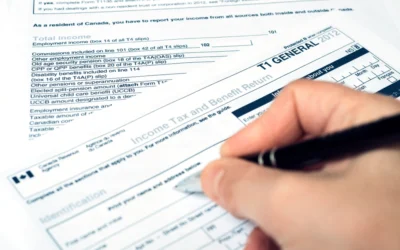
If you disagree with a CRA assessment, file a notice of objection by the deadline: 90 days after the date of the notice for a corporation, and for an individual the later of that date and one year after the return’s filing due date. Before you file, compare the notice with your return and gather the documents that support your position. If the CRA confirms the assessment, you can appeal to the Tax Court of Canada, and penalties and interest can be dealt with separately through taxpayer relief. What can you do if you disagree with a CRA assessment? A notice of assessment from the Canada Revenue Agency (CRA) can show more tax owing than you expected. If you think it is wrong, you can challenge it, but only through the CRA’s formal process and within its deadlines. Disputing a CRA tax assessment involves reviewing the Notice of Assessment (NOA) or Notice of Reassessment, gathering supporting documents, and following a structured objection process. Many taxpayers also seek professional support, such as taxation services in Calgary, to ensure their filings, records, and objections are handled correctly and in compliance with CRA requirements. Common reasons for disputes include miscalculated income, unrecognized deductions, denied business expenses, or discrepancies resulting from a CRA audit. The CRA allows taxpayers to challenge assessments through formal objections, and in some cases, appeals to the Tax Court of Canada. The process requires careful documentation, timely submission, and often, professional assistance from a CPA or tax lawyer. This guide provides a step-by-step approach to disputing a CRA tax assessment, covering key procedures, deadlines, and legal options available to Canadian taxpayers. Whether dealing with a simple miscalculation or a complex audit dispute, understanding taxpayer rights and CRA policies can improve the chances of a successful resolution. Have a question about your own situation? Talk to a CPA. See our packages See what each plan includes and sign up online in a few minutes. What is a CRA tax assessment? A tax assessment is the CRA’s official calculation of a taxpayer’s income, deductions, and tax liability based on the information provided in their return. Once a return is processed, the CRA issues a Notice of Assessment (NOA), outlining whether a taxpayer owes additional taxes, is entitled to a refund, or has a zero balance. In some cases, the CRA may later review a return and issue a Notice of Reassessment which adjusts the original tax assessment. A reassessment can occur due to missing income, denied deductions, audit findings, or new information submitted to the CRA. Taxpayers must carefully review their NOA or reassessment to ensure accuracy. Errors in reporting income, misinterpretation of tax laws, or incorrect application of credits can result in disputes. If a taxpayer disagrees with the assessment, they have the right to challenge it by filing a Notice of Objection Understanding the assessment process helps taxpayers recognize potential discrepancies early and take appropriate action. Since reassessments may lead to higher tax liabilities, interest, and penalties, disputing them promptly is crucial to avoiding unnecessary financial burdens. Why do taxpayers dispute a tax assessment? Taxpayers may disagree with a CRA assessment for several reasons, ranging from calculation errors to misinterpretation of tax laws. Identifying the cause of the dispute is the first step in building a strong objection. Errors in reported income, deductions or tax credits Mistakes in reported income, missing tax slips, or incorrectly applied deductions can lead to an inaccurate tax bill. If an employer, financial institution, or taxpayer made an error in reporting, the CRA’s assessment may not reflect the correct taxable income. CRA misinterpretation of tax laws In some cases, the CRA may disallow deductions or tax credits due to differing interpretations of tax laws. This is common with business expenses, employment-related deductions, and investment income claims. Failure to recognize business expenses or input tax credits (ITCs) Self-employed individuals and businesses often face reassessments due to the CRA questioning eligible expenses. The CRA may deny deductions for advertising, home office use, or travel if proper documentation is missing. Similarly, GST/HST input tax credits may be rejected due to insufficient records. Issues arising from a CRA audit A CRA audit can lead to additional taxes owed if the agency determines that income was underreported or expenses were overstated. If a taxpayer disagrees with the audit results, they can dispute the findings through the CRA’s objection process. Recognizing these common issues helps taxpayers prepare a well-supported objection to challenge the CRA’s assessment effectively. Review your notice of assessment The first step in disputing a CRA tax assessment is carefully reviewing the Notice of Assessment (NOA) or Notice of Reassessment to identify discrepancies. Understanding the CRA’s calculations and reasons for any adjustments is essential before filing an objection. How to access your notice of assessment Taxpayers can retrieve their NOA through: CRA My Account (for individuals) or CRA My Business Account(for businesses) A mailed copy of the NOA sent after filing a return Contacting the CRA directly if the NOA is unavailable online Understanding the details of your assessment The NOA provides a breakdown of: Reported income, deductions, and tax credits The CRA’s adjustments and justifications Outstanding balances, interest charges, or refunds Identifying discrepancies in your tax filing Taxpayers should compare their NOA with their filed return to check for: Incorrect income amounts or unrecognized deductions Denied tax credits or business expenses Adjustments made without explanation Reviewing the NOA thoroughly helps taxpayers determine whether an objection is necessary and what supporting documentation may be required. Gather the documents that support your case Once discrepancies in the CRA tax assessment have been identified, the next step is to gather relevant documentation to support the objection. Proper records strengthen the case and increase the chances of a successful resolution. Importance of financial records and receipts The CRA requires factual evidence to reconsider a tax assessment. Key documents include: T4, T5, and other income slips to verify reported earnings Business expense receipts for deductions claimed Bank statements and invoices supporting income

5 Steps to Organize Financial Records for CRA Compliance
The CRA requires businesses to keep their financial records, including sales, expense, bank, payroll and GST/HST records, for at least six years from the end of the last tax year they relate to. Five steps keep them in order: set up a paper or digital record-keeping system, track all income and expenses, keep business and personal finances separate, keep accurate payroll and tax records, and review and back up your records regularly. Why keep financial records organized? Proper record-keeping ensures compliance with the Canada Revenue Agency (CRA) and helps businesses avoid penalties, late fees, and potential audits. When financial documents are well-organized, tax filing becomes much easier, and businesses can confidently claim deductions while ensuring all revenue is accurately reported. Many small business owners struggle with record-keeping because they are focused on running daily operations. They may not realize the importance of keeping invoices, receipts, and tax documents properly stored and categorized. However, failing to keep accurate records can lead to missed deductions, incorrect tax filings, and added stress when preparing corporate taxes or responding to CRA inquiries. By following a simple step-by-step approach to organizing financial records, business owners can save time, reduce errors, and ensure they meet CRA compliance standards. This guide outlines five key steps to help businesses stay financially organized while avoiding common tax mistakes. Have a question about your own situation? Talk to a CPA. See our packages See what each plan includes and sign up online in a few minutes. What financial records does the CRA require? The CRA requires all businesses in Canada to maintain proper financial records to support income, expenses, and tax filings. These records must be accurate, complete, and kept for a specific period to ensure compliance with tax laws. What financial records must be kept: Sales records, including invoices, contracts, and receipts from customers Expense records, such as receipts for office supplies, rent, and advertising Bank statements and credit card statements for business transactions Payroll records, including employee wages, tax deductions, and remittances GST/HST filings and other tax-related documents The CRA mandates that businesses must keep financial records for at least six years from the end of the last tax year they relate to (CRA: how long to keep records). In case of an audit, having properly organized financial records helps businesses prove their tax filings are correct and prevents unnecessary fines. Understanding CRA record-keeping requirements allows small business owners to put an effective system in place early, ensuring they are prepared for tax season and any potential CRA reviews. Set up a record-keeping system A strong record-keeping system is the foundation of financial organization. Many small business owners delay organizing their records until tax season, leading to last-minute stress and missing documents. Setting up a system early ensures that financial records remain accurate and accessible year-round. There are two main options for record-keeping: Paper-based system: Businesses can use filing cabinets with labeled folders for different types of financial documents, such as invoices, tax returns, and payroll records. Digital system: Many businesses prefer cloud-based accounting software like QuickBooks, Xero, or Wave, which automatically categorizes and stores financial transactions. For businesses that handle a large volume of transactions, digital solutions are often more efficient, as they allow for easy searchability and secure backup options. Business owners should also keep electronic copies of receipts and invoices in case physical records are lost. Setting up a consistent and organized record-keeping system helps businesses stay compliant with CRA requirements and simplifies tax filing at the end of the year. Track business income and expenses Tracking income and expenses accurately is crucial for small business owners to ensure their financial reports reflect true earnings and spending. Without proper tracking, businesses risk underreporting income, missing out on deductions, or making errors that could trigger a CRA audit. How to track business income: Record all customer payments, whether by cash, credit card, or electronic transfer Keep copies of all invoices and sales receipts Use bookkeeping software to track income automatically How to track business expenses: Keep receipts for all business-related purchases, including office supplies, marketing costs, and travel expenses Maintain a log of vehicle use for business if claiming mileage deductions Separate recurring expenses, such as rent and payroll, from one-time purchases Business owners who don’t track income and expenses properly may find themselves scrambling at tax time, trying to remember missing transactions or justify expense claims. Keeping a running log of all financial transactions prevents tax filing errors and ensures all deductible expenses are accounted for, reducing the business’s tax burden. Separate business and personal finances One of the most common mistakes small business owners make is mixing personal and business finances. Without clear separation, it becomes difficult to track income, claim deductions, and prepare accurate tax filings. This can lead to errors, missed deductions, or even CRA scrutiny if business expenses cannot be properly justified. The easiest way to separate business and personal finances is to open a dedicated business bank account. This ensures that all business-related transactions, including sales deposits and expense payments, are recorded separately from personal spending. Business owners should also use a business credit card for company-related purchases, which makes it easier to track expenses and simplifies bookkeeping. For sole proprietors, keeping business and personal finances separate helps with tax reporting, especially when claiming deductions for home office use or business travel. For incorporated businesses, it is even more critical to avoid mixing funds, as corporate earnings must be reported separately from the owner’s personal income. Having clear financial separation protects business owners from tax issues and simplifies year-end financial reporting. Keep accurate payroll and tax records For businesses with employees, payroll compliance is a major responsibility. Employers must accurately track wages, deductions, and tax remittances to the CRA. Failing to do so can result in penalties, late fees, and potential audits. Payroll record-keeping includes: Tracking employee hours worked and wages paid Deducting and remitting payroll taxes, including Canada Pension Plan (CPP), Employment Insurance (EI), and income tax Giving

What to Know About CRA Filing Extensions
The CRA does not give automatic filing extensions. Individuals file by April 30, self-employed people file by June 15 but pay any balance by April 30 (CRA important dates), and corporations file their T2 return within six months of year end (CRA, when to file a T2). If events beyond your control stop you from filing on time, file as soon as you can and ask the CRA to cancel or waive the penalty and interest under taxpayer relief (CRA taxpayer relief). Relief is not automatic. Have a question about your own situation? Talk to a CPA. See our packages See what each plan includes and sign up online in a few minutes. What happens if you miss a CRA filing deadline? Filing taxes on time is a crucial responsibility for Canadian individuals and businesses to remain compliant with the Canada Revenue Agency (CRA). Missing tax deadlines can result in penalties, interest charges, and delayed refunds, making it essential to understand available options for CRA filing extensions CRA filing extension allows taxpayers extra time to submit their tax returns without facing immediate penalties. While the CRA does not officially grant extensions in the same way as the IRS in the United States, there are situations where taxpayers may request additional time to file, particularly in cases of financial hardship, personal emergencies, or technical difficulties Extensions may differ based on the type of taxpayer, with businesses, self-employed individuals, and corporations following separate rules. Additionally, while filing extensions are limited, payment extensions and relief programs may help taxpayers manage outstanding balances. Many businesses also rely on small business accounting in Calgary to ensure deadlines are met and filings are completed on time. This guide explores CRA tax filing deadlines, available extensions, late filing penalties, and strategies to avoid missing deadlines. Understanding these details can help taxpayers stay compliant, reduce financial stress, and take advantage of available CRA programs. Standard CRA tax filing deadlines The Canada Revenue Agency (CRA) enforces strict tax filing deadlines for individuals, businesses, and corporations. Missing these deadlines can result in late filing penalties and interest charges on unpaid taxes. PERSONAL INCOME TAX DEADLINES The standard tax filing deadline for individuals is April 30 of each year. Self-employed individuals have until June 15, but any taxes owed must be paid by April 30 to avoid interest charges. CORPORATE TAX RETURN DEADLINES Corporations must file their T2 corporate tax return within six months after the end of their fiscal year. Any corporate taxes owed must be paid within two months after the fiscal year-end, or three months for a Canadian-controlled private corporation (CCPC) that claimed the small business deduction this year or last year and whose taxable income last year was within its business limit (CRA, balance-due day) GST/HST FILING DEADLINES Monthly and quarterly filers must submit GST/HST returns one month after the reporting period ends Annual filers who are sole proprietors with business income and a December 31 fiscal year end must file by June 15, with payment due by April 30. Other annual filers must file and pay within three months of their fiscal year end (source: CRA GST/HST filing deadlines). Staying aware of these deadlines ensures taxpayers avoid penalties and interest, keeping their CRA accounts in good standing. Does the CRA allow filing extensions? Unlike the Internal Revenue Service (IRS) in the U.S., the Canada Revenue Agency (CRA) does not offer automatic filing extensions for tax returns. However, in certain circumstances, taxpayers may be able to request additional time to file without facing penalties. CRA’S OFFICIAL STANCE ON TAX EXTENSIONS The CRA expects individuals, businesses, and corporations to file by the standard deadlines. There is no formal extension request process, but some taxpayers may qualify for relief under special circumstances. WHEN CAN A TAXPAYER REQUEST MORE TIME? The CRA may grant flexibility in cases involving: Serious illness, natural disasters, or personal emergencies Technical issues with CRA’s online services are preventing e-filing. CRA processing delays that impact a taxpayer’s ability to file on time. WHAT HAPPENS IF AN EXTENSION IS GRANTED? The CRA may waive late filing penalties but will still charge interest on unpaid taxes. Taxpayers may need to provide supporting documentation for their request. Although CRA extensions are rare, taxpayers facing difficulties should proactively contact the CRA to explore options for penalty relief. How to request a CRA tax filing extension While the Canada Revenue Agency (CRA) does not have a formal process for filing extensions, taxpayers facing exceptional circumstances may request additional time to file. The CRA evaluates these requests on a case-by-case basis. WHEN CAN AN EXTENSION BE CONSIDERED? The CRA may allow extra time to file if a taxpayer is affected by: Serious illness or hospitalization Natural disasters or unforeseen emergencies Technical issues preventing e-filing Delays caused by CRA processing errors STEPS TO REQUEST A FILING EXTENSION Contact the CRA as soon as possible via phone or the CRA’s My Account online portal. Explain the reason for the delay and provide relevant details. Request a late filing penalty waiver under the Taxpayer Relief Program if applicable. Submit supporting documents (e.g., medical records, technical error confirmations). ALTERNATIVE OPTIONS If filing late, taxpayers should submit their return as soon as possible to reduce penalties. Businesses struggling to pay taxes on time may apply for a payment arrangement instead of delaying the return. Proactively communicating with the CRA increases the chances of avoiding penalties for late tax filings. Penalties and interest for late tax filings Failing to file taxes on time can lead to significant penalties and interest charges imposed by the Canada Revenue Agency (CRA). Understanding these consequences can help taxpayers take action to avoid unnecessary financial burdens LATE FILING PENALTIES FOR INDIVIDUALS AND BUSINESSES Individuals who miss the April 30 deadline face a 5% penalty on the balance owing, plus an additional 1% per month for up to 12 months If you were charged a late-filing penalty in any of the three previous years and the CRA sent you a demand to file,

Top CRA-Approved Tax Software for Canadian Businesses
The Canada Revenue Agency (CRA) does not approve or recommend tax software. It certifies software for electronic filing: T2 software for corporation returns, accounting software for GST/HST Internet File Transfer, and NETFILE and EFILE software for personal returns, and it says certification does not mean it endorses a product. Why use CRA-approved tax software? Managing corporate taxes, payroll deductions, and GST/HST filings can be complex, making tax software an essential tool for businesses of all sizes. CRA-approved tax software simplifies tax filing by automating calculations, ensuring compliance with government regulations, and reducing the risk of errors. Businesses can use these platforms to file returns electronically, track deductions, and generate audit-ready reports. With cloud-based and desktop options available, tax software solutions cater to different business needs, from small startups to large corporations. While software improves efficiency, many businesses still prefer expert guidance to avoid costly mistakes. This is where expert help from a CPA firm like 786 Venture CPA becomes valuable, especially when handling complex filings or multi-structure business taxation. Choosing the right tax software is key to improving efficiency and minimizing tax-related risks. Features such as integration with CRA systems, real-time tax updates, and secure data storage help businesses stay compliant while streamlining their accounting processes. By leveraging CRA-certified tax software, companies can save time, avoid penalties, and ensure accuracy in their tax obligations. This guide explores the top CRA-approved tax software options for Canadian businesses, highlighting their features and benefits, with links to each vendor’s own pricing page, to help business owners make informed decisions. Have a question about your own situation? Talk to a CPA. See our packages See what each plan includes and sign up online in a few minutes. What is CRA-approved tax software? When people say CRA-approved tax software, they mean software the CRA has certified for electronic filing. For a business, that is T2 software for Corporation Internet Filing and accounting software certified for GST/HST Internet File Transfer. NETFILE and EFILE are for personal (T1) returns, not business returns (CRA: T2 software, CRA: NETFILE software). The CRA certifies software to make sure it meets its specifications. That means the developer has gone through a process with the CRA; it does not mean the CRA endorses the product or recommends one over another (CRA certified software list). Using CRA-certified tax software offers several benefits, including automatic tax updates, real-time compliance checks, and seamless integration with accounting systems. Businesses can also track GST/HST payments, payroll deductions, and corporate tax liabilities, making it easier to manage financial obligations. With tax regulations frequently changing, CRA-approved software helps businesses stay compliant by applying the latest federal and provincial tax rules automatically. This reduces the burden on business owners, allowing them to focus on operations while maintaining proper tax reporting. Choosing reliable, CRA-endorsed software is essential for businesses looking to streamline tax filing and avoid costly mistakes. Key features to look for in tax software Choosing the right CRA-approved tax software requires evaluating key features that ensure compliance, accuracy, and efficiency in tax management. Businesses should prioritize the following functionalities when selecting a tax solution. E-filing capabilities Certified software files through the right CRA service for each return: Corporation Internet Filing for T2 returns and GST/HST NETFILE or GST/HST Internet File Transfer for GST/HST returns. Payroll deductions are not filed this way; they are paid, for example through online banking, My Payment or pre-authorized debit (CRA: remitting payroll deductions). This feature ensures faster processing and minimizes filing errors. GST/HST compliance A good tax solution should automate GST/HST calculations, apply the correct tax rates based on province, and reconcile input tax credits (ITCs) to prevent discrepancies in tax payable. Payroll integration For businesses managing employees, payroll tax features help calculate and remit CRA payroll deductions, including CPP, EI, and income tax. Seamless payroll integration prevents compliance issues and late payment penalties. Multi-user access Cloud-based tax software allows accountants, business owners, and finance teams to collaborate securely. Multi-user access ensures real-time tax tracking and streamlined financial management. Automated tax updates Since tax regulations change frequently, tax software should provide automatic updates to reflect the latest federal and provincial tax rules, reducing the risk of filing errors. Selecting a tax solution with these features helps businesses stay compliant, reduce errors, and streamline tax filing processes. Tax and accounting software options for businesses Choosing the right software depends on business size, industry, and tax filing needs. Only some of the options below are on a CRA list: TurboTax Business Incorporated is certified for T2 filing, Intuit QuickBooks and Sage Business Cloud Accounting are certified for GST/HST Internet File Transfer, and Xero and Wave are not on a CRA certified software list (CRA: T2 software, CRA: GST/HST Internet File Transfer software). QuickBooks Online: best for small businesses QuickBooks Online offers automated tax calculations, GST/HST tracking, and seamless integration with CRA e-filing systems. It is ideal for small businesses looking for cloud-based accounting and tax management. TurboTax Business: ideal for corporate tax filing TurboTax Business provides step-by-step tax guidance for corporations, ensuring compliance with corporate income tax and GST/HST requirements. It includes an audit protection feature to help businesses stay prepared for CRA reviews. Sage Accounting: comprehensive tax and payroll solution Sage Accounting is designed for growing businesses, offering payroll integration, tax reporting, and CRA-compliant financial statements. It is suitable for businesses needing multi-user access. Xero: cloud-based tax tracking Xero provides real-time financial tracking, GST/HST automation, and multi-currency tax management. Its secure data storage and easy collaboration make it a top choice for remote accounting teams. Wave Accounting: free tax software for small businesses Wave offers basic tax reporting, invoicing, and GST/HST tracking at no cost. It is ideal for freelancers and startups needing a budget-friendly solution. Each of these products offers different benefits, making tax filing easier and ensuring compliance with federal and provincial regulations. GST/HST filing and automation in tax software Managing GST/HST obligations is a crucial part of tax compliance for Canadian businesses. CRA-approved tax software simplifies the process by automating tax
Tax Penalties in Canada and How to Avoid Them
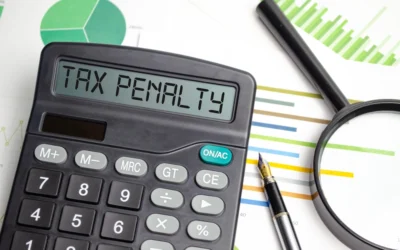
Most CRA penalties come from late returns (including GST/HST returns), late payroll remittances, unreported income and ineligible deductions. A late return costs 5 percent of the balance owed plus 1 percent for each full month late, up to 12 months, with daily compound interest on top, so file on time even if you cannot pay in full. Have a question about your own situation? Talk to a CPA. See our packages See what each plan includes and sign up online in a few minutes. Why do tax penalties in Canada matter? Tax penalties in Canada can be costly for both businesses and individuals, leading to financial strain, legal consequences, and increased CRA scrutiny. The Canada Revenue Agency enforces tax laws by imposing penalties for late filings, missed payments, underreported income, and payroll errors. These penalties are often accompanied by daily interest charges, making it essential for taxpayers to remain compliant. Failure to meet tax obligations can result in serious consequences, such as garnished bank accounts, a certificate registered in the Federal Court, seized assets, or even criminal charges in cases of tax evasion. Businesses that fail to remit GST/HST or payroll deductions may also face additional enforcement actions. Understanding the most common tax penalties and how to prevent them is crucial for financial stability. By filing taxes on time, keeping accurate records, and using automation tools to track tax obligations, taxpayers can avoid unnecessary fines. Working with a CPA or tax professional can also help businesses and individuals navigate CRA regulations, ensuring compliance while maximizing tax benefits. This guide explores the various tax penalties imposed by the CRA and provides practical strategies to help taxpayers stay compliant, reduce financial risks, and avoid costly tax disputes. What are the common reasons for tax penalties in Canada? The CRA imposes tax penalties on individuals and businesses that fail to comply with tax regulations. Understanding the most common reasons for these penalties can help taxpayers take proactive steps to avoid them. One of the most frequent causes of tax penalties is late filing of tax returns. Individuals and corporations that miss their filing deadlines face automatic penalties, with additional interest accruing daily on any unpaid taxes. Businesses that file GST/HST returns late also risk a penalty, and paying GST/HST late adds interest. Underreporting income or claiming ineligible deductions can also lead to audits and reassessments. The CRA uses data-matching technology to verify reported income against employer records, GST/HST filings, and financial statements. If discrepancies are found, businesses may face additional tax liabilities and penalties. Another major compliance issue is payroll tax errors. Employers are required to deduct and remit CPP, EI, and income tax from employee wages. Failing to do so on time can result in penalties and potential legal action. By staying informed about tax obligations, maintaining accurate records, and ensuring timely payments, taxpayers can significantly reduce their risk of facing CRA penalties. What are the penalties and interest charges for filing taxes late? The CRA imposes penalties on individuals and businesses that fail to file their tax returns on time. These penalties increase the longer the return remains unfiled, making it essential to meet deadlines to avoid unnecessary financial strain. For individuals, the late filing penalty is 5 percent of the balance owed, plus 1 percent for each full month the return is late, up to 12 months. If the CRA sent you a demand to file and you were also charged a late-filing penalty in any of the three previous years, the penalty is 10 percent of the balance owing plus 2 percent for each full month late, up to 20 months (CRA: late-filing penalty). For corporations, late filing penalties are calculated as 5 percent of unpaid taxes, plus an additional 1 percent per month for up to 12 months. If the CRA issued a demand to file and the corporation was charged a late-filing penalty in any of the three previous tax years, the penalty is 10 percent of the unpaid tax plus 2 percent for each complete month, up to 20 months (CRA: corporation penalties). In addition to these penalties, the CRA charges daily compound interest on unpaid taxes, which continues to accumulate until the balance is fully paid. The interest rate is set every three months (CRA: understanding interest). To avoid late filing penalties, taxpayers should track deadlines, file returns on time even if they cannot pay in full, and consider setting up pre-authorized tax payments to prevent future delays. What are the penalties for late or missed GST/HST remittances? Businesses registered for GST/HST must collect sales tax from customers and remit it to the CRA by the assigned deadline. Filing a return late results in a penalty and paying late results in interest charges, which can create financial difficulties and increase audit risks. If a GST/HST return is filed late, the penalty is 1 percent of the amount owing, plus 0.25 percent of the amount owing for each complete month the return is late, up to 12 months (CRA: GST/HST filing penalties). There is no separate penalty for paying late, but the CRA charges interest on late or short payments (CRA: remitting GST/HST). In addition to penalties, the CRA charges daily compound interest on unpaid GST/HST amounts, making delays increasingly costly. Businesses that continue to miss payments may face enforcement actions, including garnishing bank accounts or wages, registering a certificate in the Federal Court, seizing assets, or holding back refunds (CRA collections policies IC98-1). To prevent penalties, businesses should ensure GST/HST is collected and tracked separately from operational funds. Using automated accounting software can help businesses calculate and remit GST/HST on time. For those struggling with payments, setting up a payment arrangement with the CRA can help avoid severe penalties while maintaining compliance. What are the penalties for misreporting income or claiming false deductions? The CRA imposes strict penalties on businesses and individuals who underreport income or claim ineligible deductions. Whether intentional or accidental, these errors can result in audits, tax reassessments, and significant financial